Do I Need a Will? Why Making a Will Is Important
A Will allows you to decide what should happen to your money, property and possessions after your death. It can also record who you would like to deal with your estate and, where relevant, your wishes for the care of young children.
So, do you need a Will?
If you own property or other assets, have children, live with an unmarried partner, or husband/ wife/ civil Partner or simply want greater control over who benefits from your estate, these are good reasons to consider putting one in place.
Having a valid Will can also make things clearer and simpler for the people you leave behind by recording your wishes in a legal document.
Why Do I Need a Will?
The main reason for making a Will is that it gives you greater control over what happens after your death.
You can decide who should inherit from your estate, appoint people you trust to deal with it, and make specific gifts to individuals or organisations you want to benefit.
Without a valid Will, your estate will generally be distributed according to the rules of intestacy. These rules determine who is legally entitled to inherit and may not produce the outcome you would have chosen – for example, unknown, distant or disliked family members may benefit from your estate and, if you have no family, then potentially paid to the Government.
Making a Will is therefore not just about how much you own. It is about making your intentions clear.
What Are the Benefits of Making a Will?
There are several practical reasons to consider making a Will.
Decide Who Should Inherit Your Estate
A Will allows you to name the people or organisations you would like to benefit from your estate.
You might want to leave assets to family members, make a particular gift to a friend, or leave money to a charity that matters to you.
Without a Will, you do not decide who inherits.
Provide for an Unmarried Partner
Making a Will can be particularly important if you live with a partner but are not married/in a civil partnership.
An unmarried partner does not automatically have the same inheritance rights as a spouse or civil partner. If you want your partner to inherit from your estate, this should be considered when preparing your Will.
Make Arrangements for Your Children
If you have young children, a Will can help you plan for their future.
You can use it to record your wishes regarding guardians and, where appropriate, to appoint trustees to manage assets left for children.
For many parents, this is one of the most important reasons for making a Will.
Choose Who Will Deal With Your Estate
Your Will allows you to appoint executors.
Executors are responsible for administering your estate after your death. This can include identifying assets and liabilities, dealing with the necessary administration, and distributing the estate in accordance with your Will.
Choosing people you trust to carry out this role can provide additional reassurance.
Leave Specific Gifts
You may have particular possessions, sums of money or other assets that you want to leave to specific people.
A Will allows you to clearly and legally make these gifts, including gifts that may have both personal and financial value.
Make Your Wishes Clearer
Following a death, family and friends may already have many practical matters to deal with.
Having your wishes recorded can reduce uncertainty about how you want your estate handled.
You can also record funeral wishes, though it is sensible to make these known to your family separately.
Who Should Consider Making a Will?
You do not need to be wealthy or approaching later life for a Will to become relevant.
You may particularly want to consider making one if you:
- own a house, flat or other property;
- have children or other dependants;
- are married or in a civil partnership;
- live with an unmarried partner;
- have savings, investments or business interests;
- want specific people to receive particular assets;
- want to leave something to a charity;
- have more complicated family circumstances; or
- simply want to decide what happens to your estate.
Even if your affairs are straightforward, a Will can clarify your intentions for those handling your estate.
When Should I Make a Will?
There is no need to wait until later life to make a Will.
For many people, major life events prompt them to consider one. Buying a home, getting married, getting divorced, having children, entering a long-term relationship (particularly with children from previous relationships) or building up savings and other assets can all make estate planning more important.
If there are already people you want to provide for or assets you want dealt with in a particular way, it may be sensible to put those wishes in writing rather than leave the decision until later.
What Happens If I Don’t Make a Will?
If you die without a valid Will, you are said to have died intestate. Your estate will generally be distributed according to the rules of intestacy.
These rules decide who is entitled to inherit. You have no control over who will benefit from your estate, as this is set out by law.
This can be particularly significant for unmarried partners and more complicated family circumstances.
For a fuller explanation, read What Happens If You Die Without a Will?
When Should I Review My Will?
A Will should not necessarily be treated as something you prepare once and never revisit.
Your relationships, assets and wishes can change over time, so it is sensible to review your Will periodically and after significant life changes.
These may include marriage, divorce or separation, the birth of children or grandchildren, buying or selling property, significant financial changes or the death of somebody named in the Will.
A review does not necessarily mean you need a new Will. It simply allows you to check that the existing document still reflects your wishes.
Do I Need a Solicitor to Make a Will?
It is possible to make a Will without using a solicitor, but it is an important legal document, and mistakes may not become apparent until after your death.
Professional advice can help ensure that your wishes are clearly recorded and that your individual circumstances are properly considered. Your Inheritance Tax position will also be addressed.
Advice may be particularly helpful where there are unmarried partners, children from previous relationships, property or business interests, trusts or other more complicated circumstances.
You can find out more about EJ Moyle LLP’s Private Client, Wills and Probate services.
Speak to Our Private Client Team
If you are considering making a Will, have an existing Will that may need reviewing, or would like to understand your options, the Private Client team at EJ Moyle LLP can advise you based on your individual circumstances.
Contact them today by calling our Littlehampton or Rustington offices.
Or you can get in touch directly.

Sophie Careless-Shore
Tel: 01903 784447
scarelessshore@moyle.co.uk
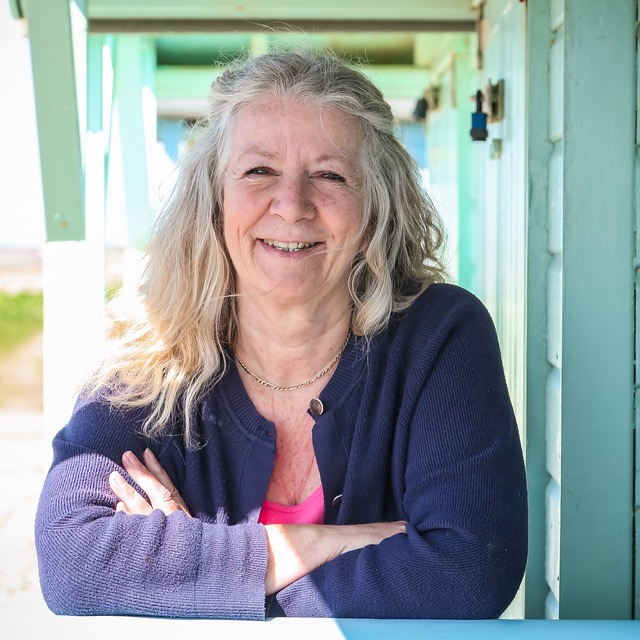
Barbara Sykes
Tel: 01903 784447
bsykes@moyle.co.uk
Frequently Asked Questions About Making a Will
We also comply with the Provision of Service Regulations 2009. The required details of our Professional Indemnity Insurance are available upon request at either of our offices.